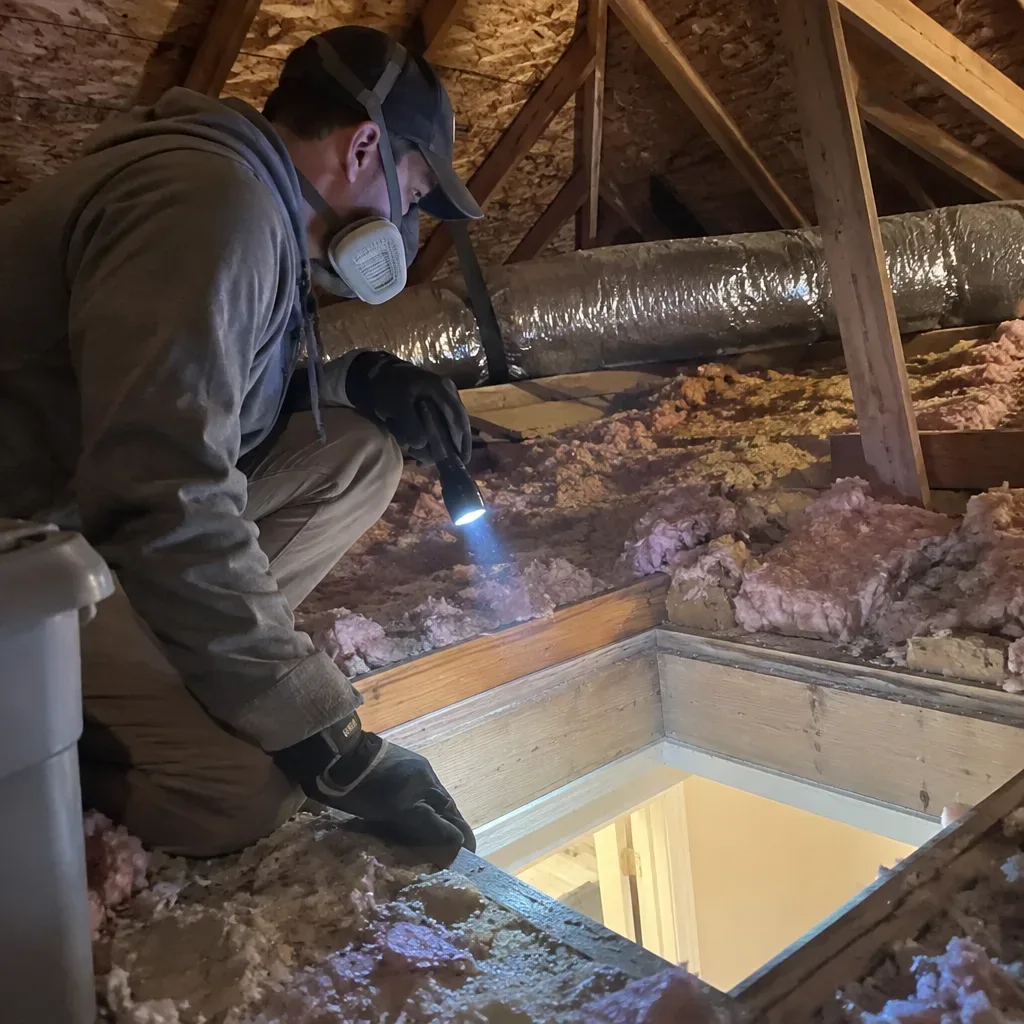
How Many Mice?
One mouse cannot settle whether a home has a mouse infestation. Learn how droppings, noises, food access, and hidden shelter can shape the next step in Dearborn.
Read article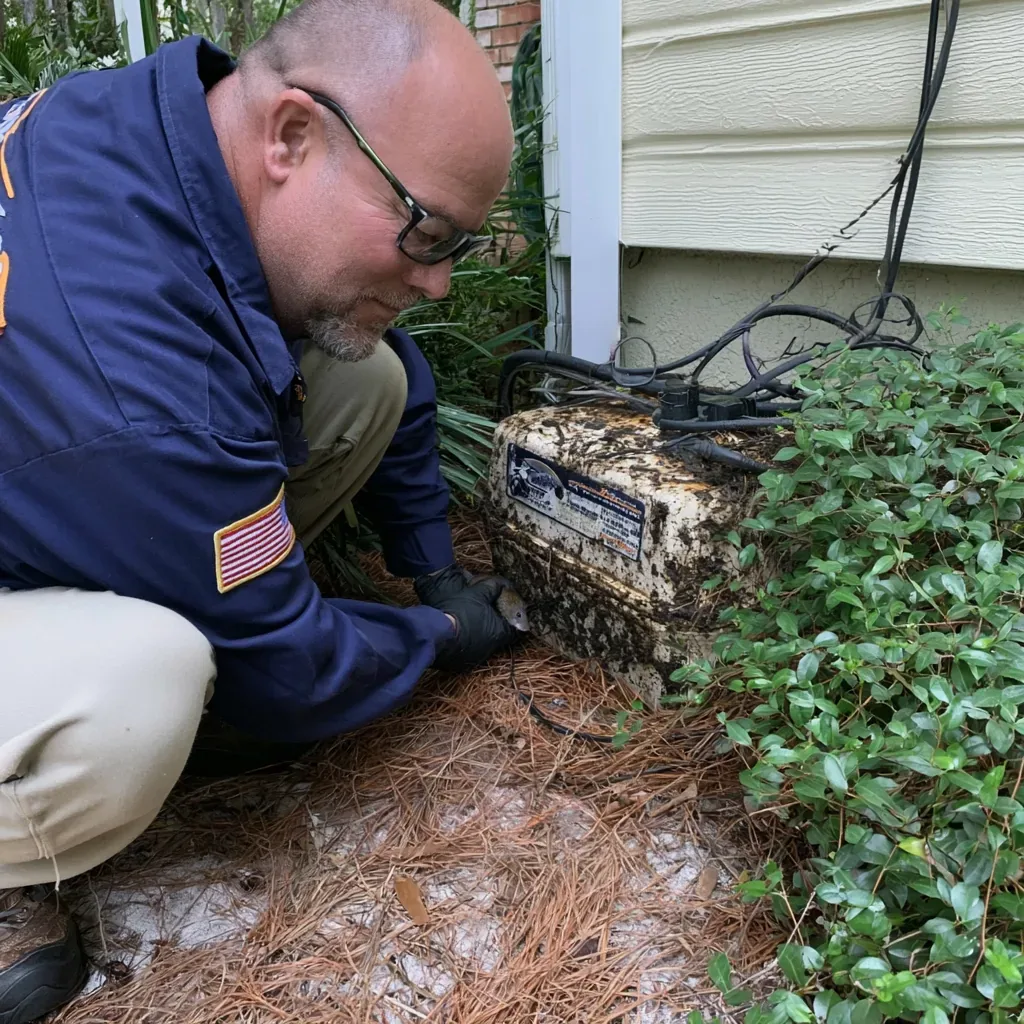
Mouse control estimates depend on signs, access, home layout, and selected service steps.
In Dearborn, a few crumbs moved from a pantry shelf or faint sounds behind a cabinet can be the first clues. A ranch home and a split-level may offer different routes between storage areas, wall spaces, and attached garages. Cold winter weather can also make outdoor signs harder to see. Near the Rouge River or toward Allen Park, the setting alone does not show whether mice are active. Mice may use gaps around pipes or door edges to move between sheltered areas.
The estimate depends on which rooms and exterior areas a pro can reach, how many locations show signs, and what the inspection supports. In Dearborn, stored items, finished walls, or a tight garage can limit access and make some routes harder to check. The pros we connect you with can explain whether mouse treatment may involve traps, bait stations, or both, plus follow-up if offered. A clear account of signs near Brand Park or elsewhere helps focus the visit; hidden routes may need another check.
A ranch near Teller Park may show different rodent signs than a split-level elsewhere in Dearborn. Mouse Control uses property findings across Melvindale, Allen Park and Dearborn Heights.
The residential page at residential rodent control addresses a homeowner's household, while commercial rodent control discusses service for properties under rental or business oversight.
A torn dry-food package or scattered crumbs can mark a mouse visit in a pantry or lower cabinet. Small droppings nearby help show which shelf or storage area needs attention. In Dearborn, a homeowner can note whether the package was in a cupboard, basement pantry, or garage storage. A small opening in the package can show where a mouse reached the food. A clear shelf also makes it easier to spot new crumbs or damaged packaging.
At night, a light scratch or rustle behind a refrigerator can draw attention to a kitchen wall or appliance gap. Shredded paper tucked in a quiet storage corner may point to a nearby resting place. Such clues do not show the full route by themselves. A Dearborn homeowner can record the room, time, and nearby objects before moving items. That detail helps the pro decide which accessible areas to examine and where activity may be concentrated.
Outdoor clues may include small droppings or chew marks beside stored items, a garage threshold, or a pipe opening. In Dearborn, snow and wet ground can hide signs around a home's perimeter, including near the Rouge River corridor. A homeowner can describe the exact side of the property and whether indoor signs appear too. Openings around doors or utility lines may provide access, but their condition needs an on-site look before any control plan is set.
The pro notes each reported sign and checks accessible kitchen, basement, and garage areas for mouse activity and nearby openings.
The homeowner can share access concerns or household routines before the plan is set.
Where offered, the provider can seal suitable, reachable openings linked to the findings to help limit mouse access.
Keep track of any fresh signs between visits and note where they appear.
A mouse route can cross a pantry, basement storage area, and garage before signs appear in the living space. Ranch and split-level layouts can place those areas at different levels or behind finished surfaces. In Dearborn, each home's reachable spaces matter more than its general setting near Allen Park or Brand Park. If signs continue after initial control, an open route or an unchecked area may need attention. Inspection findings help determine what follow-up makes sense.
Michigan regulates pesticide applications for hire, including work targeting mice. If a Dearborn proposal includes bait, the homeowner can ask which product the provider plans to use and how its label guides placement. Product directions set limits for use and precautions. A written service summary can make the product and placement plan easier to review later. The answers should match the property and the proposed service, rather than assume that every home needs the same approach.
Bait stations and traps need placement suited to the household and the places where activity was found. Devices should remain accessible for checks without sitting in routine footpaths. Ask how the chosen products or devices will be checked and what label precautions apply. Avoid handling bait or moving stations unless the provider gives instructions. These details help the owner understand the plan and keep access controlled during service.
A clear description of the problem helps the licensed pros we connect you with identify which parts of the work need discussion.
| Rodent Activity | Included Work | Cost Estimate |
|---|---|---|
| Isolated Evidence | Teller Park context: inspect reported rodent clues and discuss access; no traps, bait, gap work, or monitoring. | an estimated $225–$425 |
| Persistent Evidence | Review activity, apply agreed trapping or baiting, and close selected gaps; follow-up visits not included. | an estimated $260–$555 |
| Housewide Activity | Near Teller Park context: inspection, agreed control devices, and return activity checks; no access sealing. | an estimated $225–$425 |
| Restricted Reach | Inspect signs and routes, use agreed traps or bait, seal openings, and monitor when included. | an estimated $540–$1,700 |
A quote starts with the work identified at the property. Adding monitoring or sealing may bring separate labor, while sturdier gap-closing materials can alter that part of the total. Compare the listed tasks with the full pricing guide to understand how service choices affect rodent-control costs.
Professional mouse control begins with the locations the homeowner reports and an inspection of accessible areas. An inspection can also look for gaps or conditions that may explain how mice reached those areas. Some providers also offer sealing suitable openings and follow-up checks. For a Dearborn home, note whether signs are inside, outside, or both, and share the rooms or areas involved when asking about service.
The cost is best discussed after the provider understands the areas involved. A finished wall, crowded basement, or packed garage may limit what can be checked during a visit. In Dearborn, ask for an estimate that states whether it includes devices, suitable opening work, or follow-up visits. The scope varies by provider and by the conditions found at the property.
The inspection findings and household conditions guide the choice. A provider may use traps, bait stations, or both, with placement based on where mouse activity is found. Sealing suitable openings may complement device use when the inspection identifies a likely entry route. In Dearborn, tell the pro about rooms used for food, storage, or pet supplies so the proposed setup fits the property.
Removing clutter from affected shelves can give the inspector a clearer view of crumbs and damaged packaging. They do not address a route into the house, so they work alongside professional control rather than replace it. A Dearborn homeowner can secure pantry goods and pet food before the visit, then mention any damaged packages. Keep the affected area accessible if possible, and ask the provider what preparation would help the inspection.
Mouse control can address active signs inside a Dearborn home or near its exterior. The estimate depends on where droppings, gnawing, or sounds appear, how accessible those routes are, and which measures fit the property. The pros we connect you with may inspect likely travel paths and recommend trapping or baiting after reviewing access and activity before selecting a plan. A home near Ford Field Park, Ford Woods Park, or Greenfield Village still needs findings specific to its own rooms and exterior.
When asking for service, describe each sign and its location. A brief timeline can help distinguish fresh activity from older evidence. In Dearborn, note nearby openings or stored items without disturbing contaminated material. This information helps the pro focus the inspection and discuss an appropriate mouse control plan.
For mouse control, the estimated band is $225–$425 for this work. The condition of existing equipment can also shape which options are considered.
Traps and bait address activity; sealing openings limits access, and inspection findings inform which steps fit.
One mouse cannot settle whether a home has a mouse infestation. Learn how droppings, noises, food access, and hidden shelter can shape the next step in Dearborn.
Read article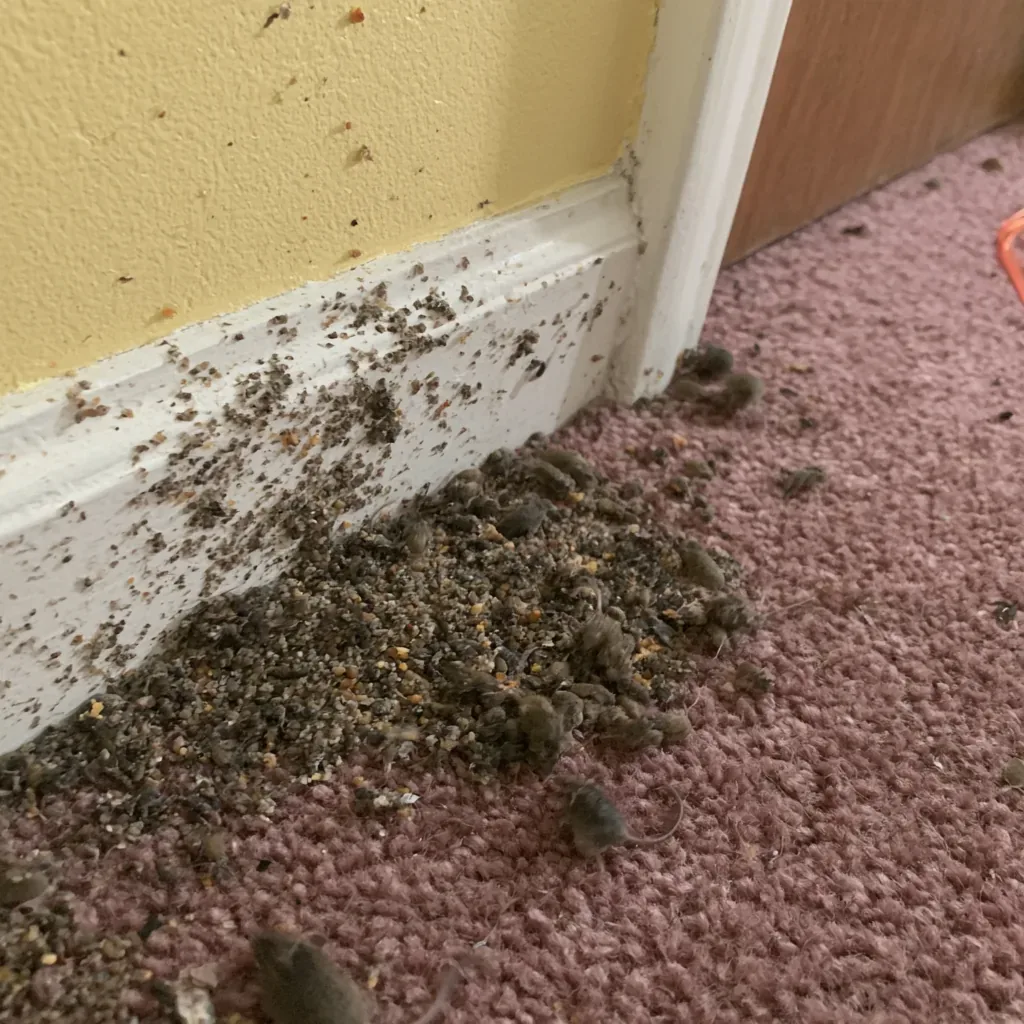
A brief glimpse may leave questions, so note visible features and nearby signs without approaching. Learn what to record when a brief Dearborn sighting leaves questions.
Read article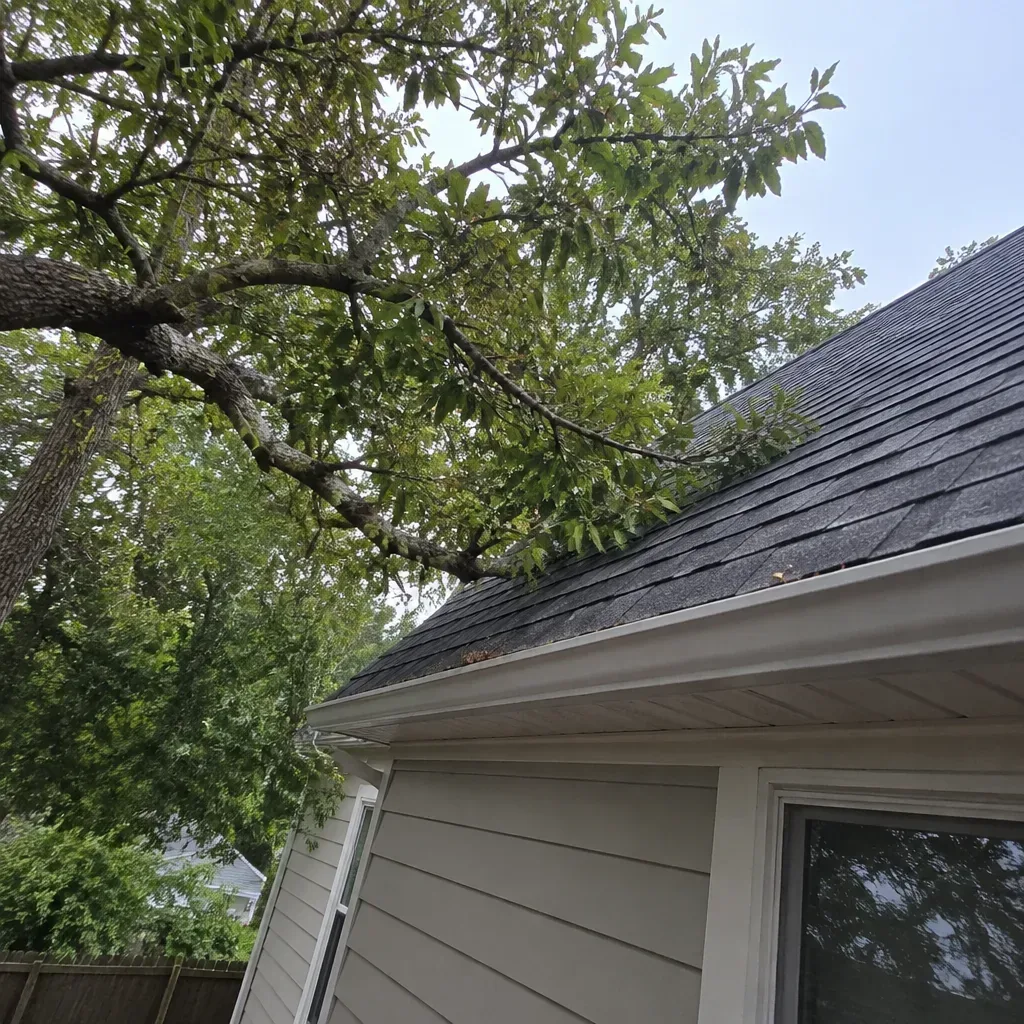
Fall is a practical time to assess shed activity in Dearborn. Learn how signs, stored supplies, and follow-up checks can guide the next step.
Read articleCost questions are easier to answer when the address is precise. Use the full street address for a Dearborn home near Community Park. A postal ZIP alone may not identify the municipality clearly. Ask whether travel or an inspection carries a charge before setting a visit. Check what timing is available, what the written scope will record, and whether any warranty is offered. Share access details that could affect reaching the area with signs. What should the owner have ready before calling?
Call (313) 944-5570