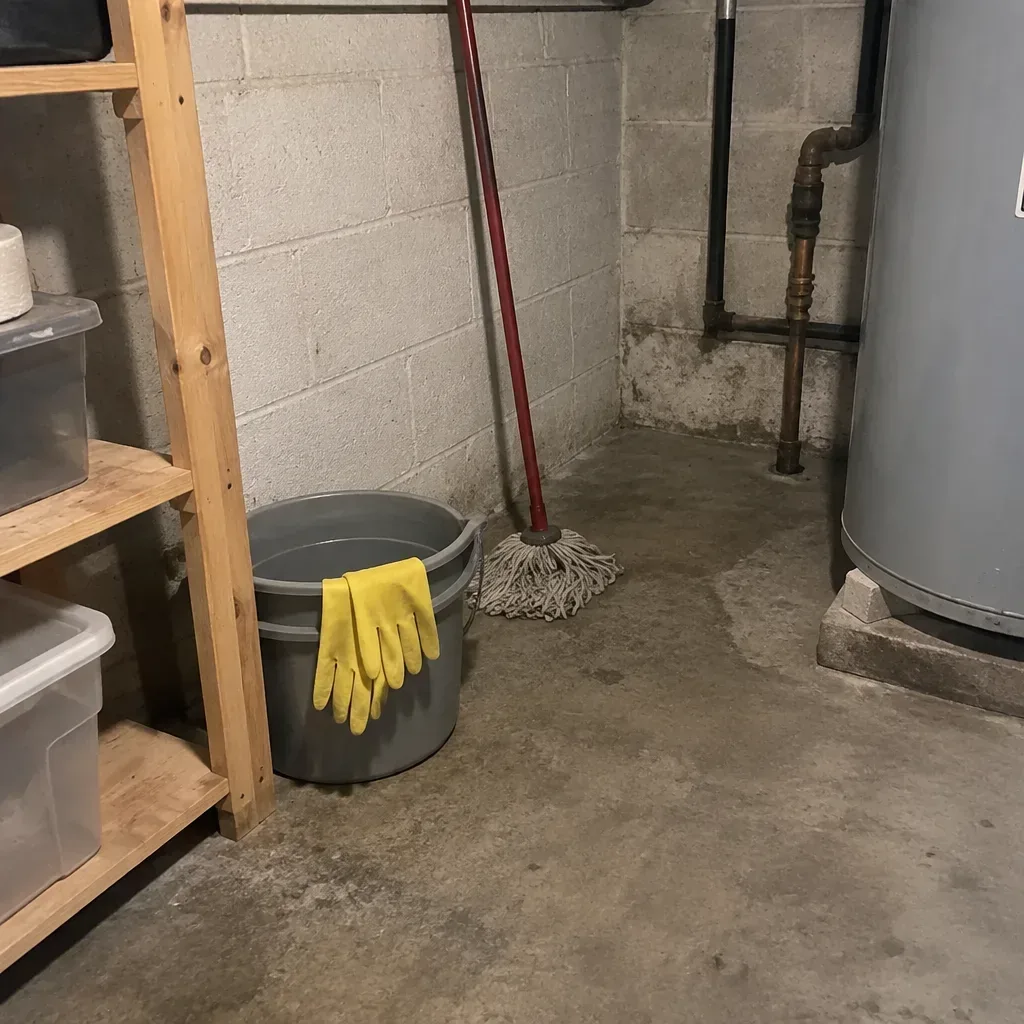
Rodent Inspection
In Dearborn, inspection links household signs to possible access and a control plan.
View Rodent Inspection help in DearbornIn Dearborn, construction changes and utility openings can shape access; a home's age alone cannot establish its needs.
The first useful distinction is between signs of activity and building conditions that may allow entry. The covered area includes residential ZIPs 48120, 48124, 48126, and 48128; a ZIP does not define city limits or reveal a home's condition. Dearborn sits near separate municipalities such as Allen Park, Lincoln Park, and River Rouge, but those names say nothing about access at a particular address. Droppings, gnaw marks, sounds, or damaged packages can help describe the concern. When requesting a connection with the pros we connect you with, note where signs appeared, the home's construction and later repairs, and any gaps the owner has noticed. Those details can guide discussion of treatment and sealing options.
Accessible food and sheltered spaces can help explain rodent activity; an inspection also considers how seasonal conditions interact with the building.
Rouge River can provide rodents with shelter and nesting material near buildings. Stored materials and available food may sustain rodent activity. A site review can help locate signs and possible access routes.
Dearborn has cold winter conditions, and seasonal shifts can change how practical exterior checks feel. Indoor observations can help guide the discussion when exterior access points are difficult to assess. A homeowner can report indoor sounds or visible signs at any time of year and ask when exterior access points can be assessed. A seasonal inspection can trace possible access from gaps around doors, pipes, or foundations. Small openings may admit rodents, so findings can guide which repairs belong in the prevention plan.
At Ford Motor Company in Dearborn, rodent bait requires precautions around people and pets. Ask the pros we connect you with how products are placed and what label directions require onsite.
For Dearborn homes, $80–$175 sets the starting point; property layout and observed rodent signs help shape the service plan.
| Service | What a Rodent Visit May Include | Estimated cost |
|---|---|---|
| Rodent Inspection | Accessible-area inspection and written findings summary | an estimated $80–$175 |
| Mouse Control | Inspection, access review, devices, follow-up | an estimated $225–$425 |
| Rat Control | Inspection, treatment setup, access review, follow-up | an estimated $325–$575 |
This Dearborn park is a local orientation point. Its presence does not establish conditions at any nearby home.
A second Dearborn park helps locate the area. Home construction and observed signs remain specific to each property.
Greenfield Village is a Dearborn reference point; it offers geographic context, not evidence about rodent access at a residence.
In Dearborn, inspection links household signs to possible access and a control plan.
View Rodent Inspection help in Dearborn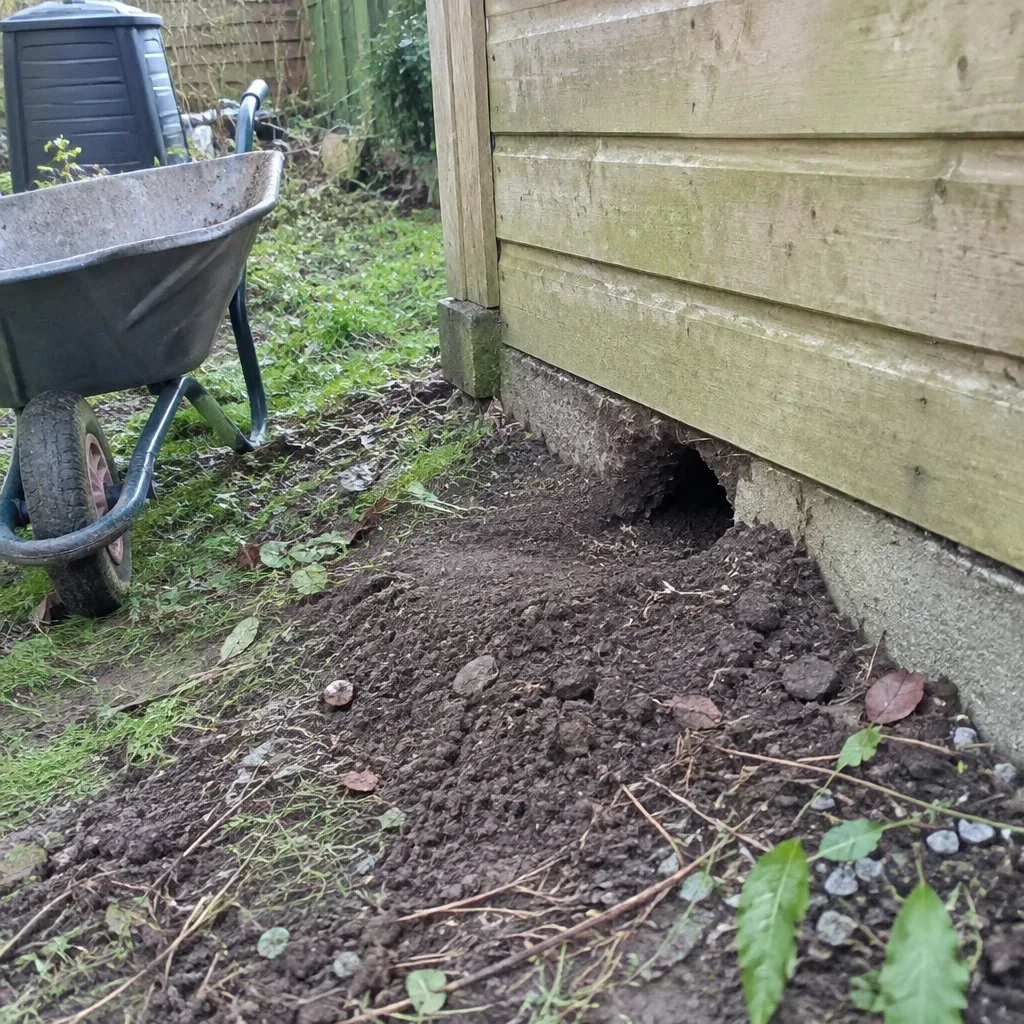
Rat control options shaped by home routines, activity areas, and treatment precautions
View Rat Control help in Dearborn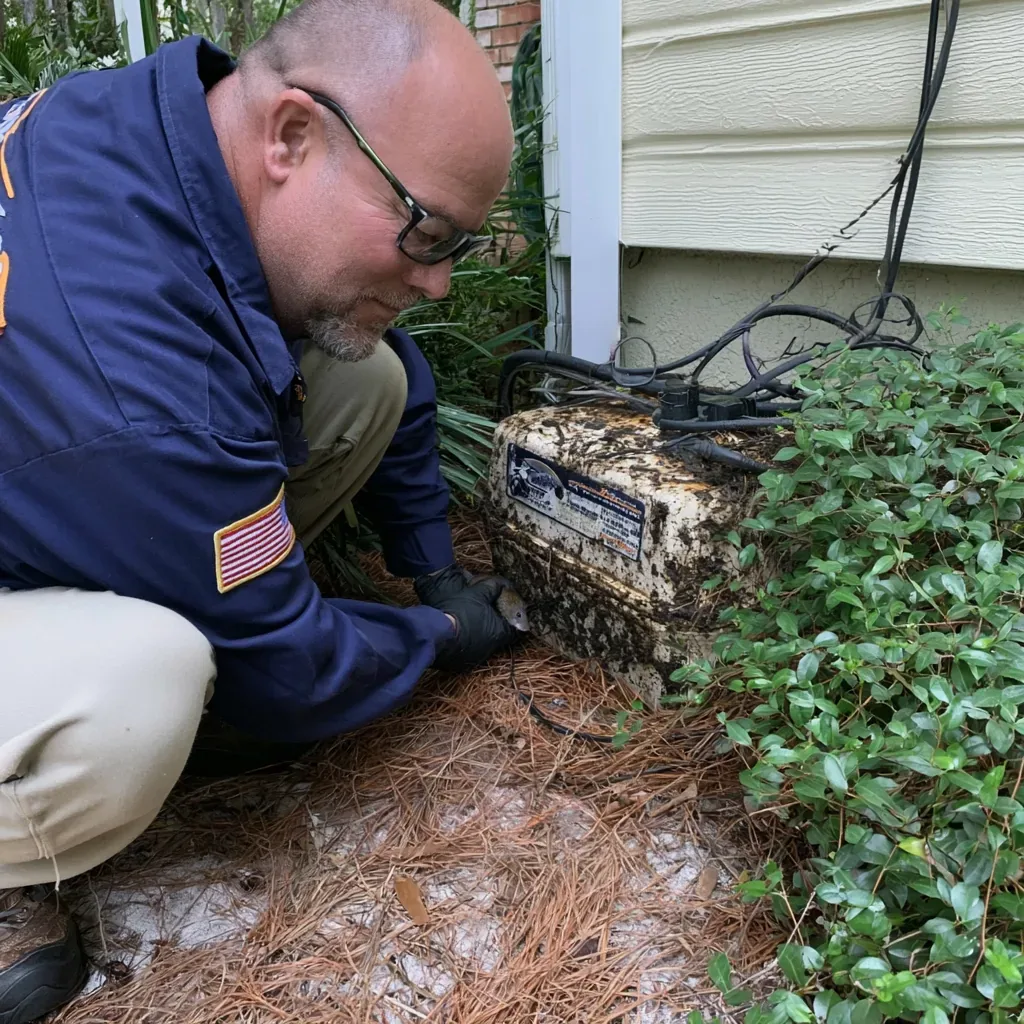
Mouse control estimates depend on signs, access, home layout, and selected service steps.
View Mouse Control help in Dearborn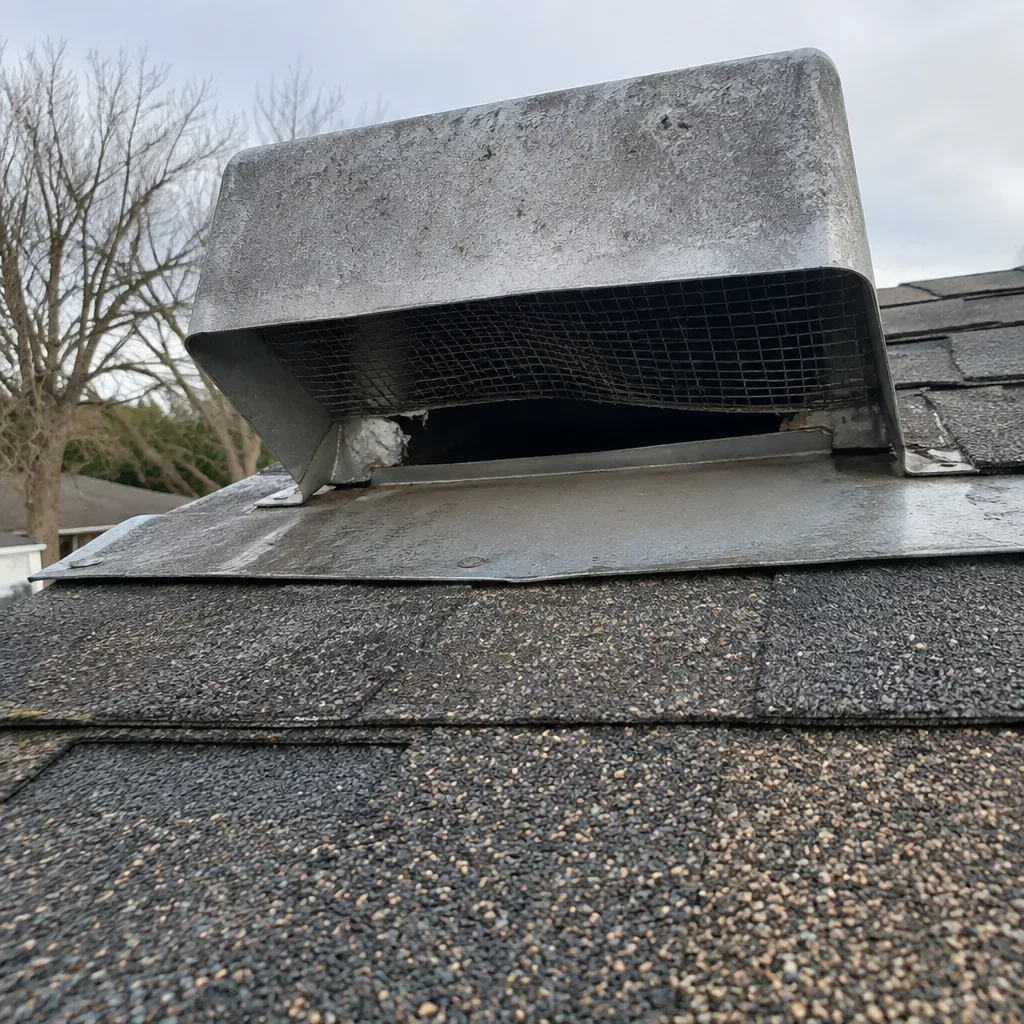
Dearborn trap plans follow rodent signs, from Ford Field Park to Ford Woods Park.
View Rodent Trapping help in DearbornThe estimate can depend on the home’s size, the signs reported, and the work proposed. Older construction alone does not set the cost; changes to walls, doors, or utility openings may affect the work after the property is assessed. Ask the pros we connect you with to explain which findings shape their estimate and whether follow-up or sealing is included.
Share the address or ZIP, where signs appeared, and whether they have returned. Mention the building’s age if known, later renovations, and any visible openings. Dearborn coverage includes 48120, 48124, 48126, and 48128, but a ZIP does not confirm service for every address. The pros we connect you with can discuss whether they can take the request.
Construction age can matter because older or altered sections may have different joints and utility openings. A change in activity after a repair can be useful context for the review. A homeowner can mention additions, repairs, and areas where signs occur so the proposed control plan reflects the actual building.
Sounds in walls can be another sign to note during a home check. In Dearborn, building details vary by property, so sealing gaps around pipes, doors, or foundations should follow the findings. Ask whether that work is included or scoped separately. When requesting a connection with the pros we connect you with, describe which rooms show signs and any visible gaps nearby. Greenfield Village, Ford Field Park, and the Rouge River provide local context, not evidence of activity at a home.
A homeowner can ask the pros we connect you with which steps address activity and which limit access. Notes about noises, droppings, or damaged packaging can help show where activity is occurring. Share whether food is stored openly or crumbs collect in the affected area; sealed containers and cleanup can reduce food sources, though they cannot close gaps. In Dearborn, the owner should describe the home’s condition rather than assume every building needs the same work.
For Dearborn, a same-day request asks about a visit on today’s schedule; the pros we connect you with confirm availability and timing on the call. Rodents repeatedly entering a food storage area may need urgent attention. Note which packages show damage so you can describe the concern on the call. Seal accessible food meanwhile. A contained problem costs less as a booked daytime visit.
When checking a nearby area for a Dearborn property, start with its full address rather than relying on a postal place name. A location description can mention a known point such as Ford Woods Park, but the address is what the pros we connect you with need to assess coverage. If service is available, ask what information they need before a visit, what the inspection includes, and which treatment steps could be considered. Find out whether follow-up checks are offered and how they would be arranged.
Call (313) 944-5570