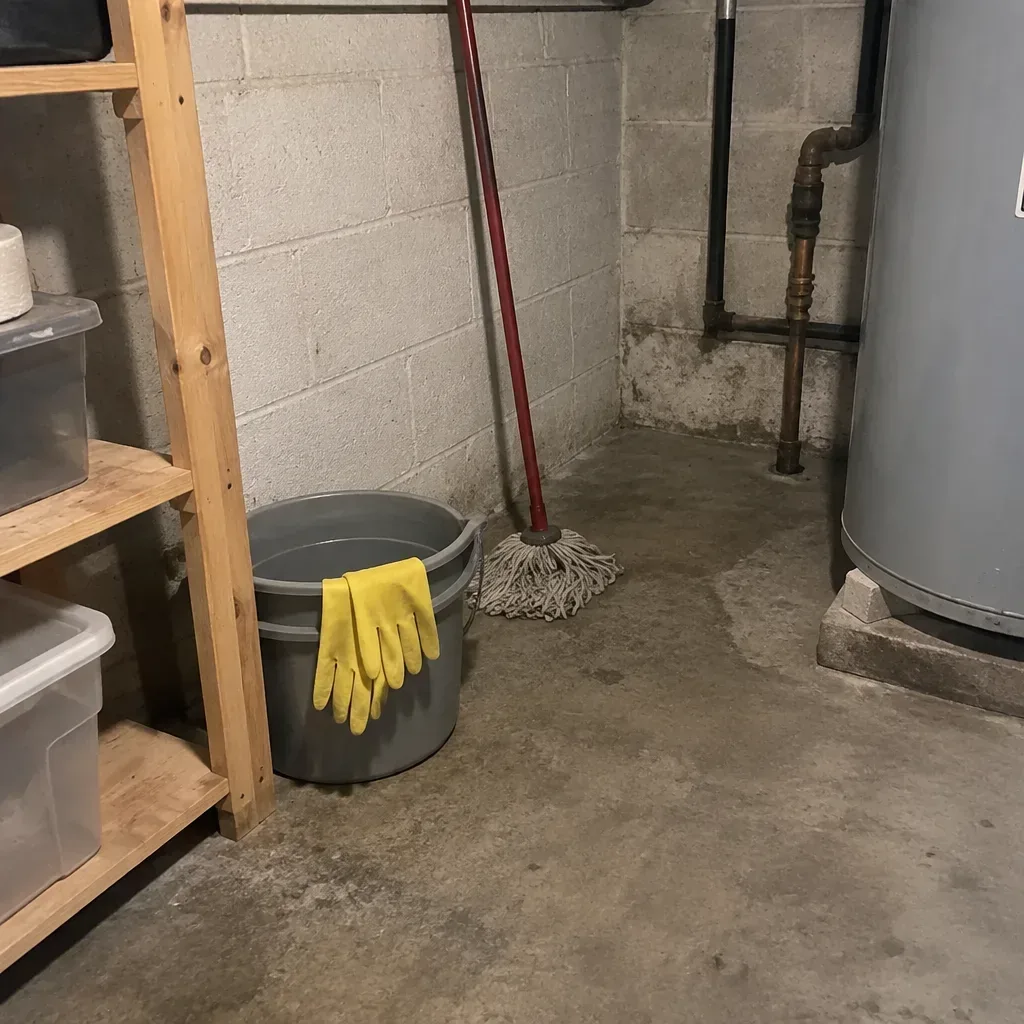
Rodent Inspection
In Dearborn, inspection links household signs to possible access and a control plan.
View Rodent Inspection help in DearbornAllen Park has a residential ZIP and neighborhood parks; service planning still turns on signs found at each home.
Cost depends on the signs found, the areas involved, and the property’s layout. Allen Park homeowners can describe whether activity appears in a kitchen, attic, basement, or garage, and whether the home is a ranch or split-level. How often a sign appears can be useful context when describing the activity. Droppings, gnaw marks, or scratching sounds can justify a closer look, but do not identify the route by themselves. An inspection can assess activity and possible openings. Trapping or baiting may be considered alongside prevention, depending on the findings and provider. Brand Park, Church-Teller Park, and Community Park are local reference points, not evidence of conditions at a particular home.
Wall openings, stored food, and indoor temperature shifts can affect where rodents find shelter; inspection connects those conditions with observed signs.
Anywhere close to Reeck Drain, and nearby vegetation can shelter rats and mice. Accessible food or openings can draw rodents. An inspection can locate signs and possible routes inside.
Detroit-area climate normals describe cold winters and warm summers. Seasonal temperature changes can bring repeated expansion and contraction at exterior seams and door fittings. For an Allen Park inspection, mention any visible opening noticed after a weather change; the property itself must be checked to assess access. Bait placement needs to account for children, pets, and the conditions at the property. The owner can ask how products will be placed and monitored, and follow label precautions around them.
The cost for Allen Park homes reflects what inspection finds and whether the plan addresses active rodents alongside routes into the building.
| Service | What a Rodent Visit May Include | Estimated cost |
|---|---|---|
| Mouse Control | Inspection, access review, devices, follow-up | an estimated $225–$425 |
| Rodent Trapping | Trap setup, placement, return checks, catch handling | an estimated $350–$475 |
| Rodent Inspection | Accessible-area inspection and written findings summary | an estimated $80–$175 |
Brand Park is an Allen Park reference point for describing a nearby home’s location. Record the affected room separately from the landmark when describing the concern.
This neighborhood park gives homeowners a familiar reference point when describing a service location; nearby park grounds do not establish rodent activity inside a house.
Community Park offers another local landmark for directions. The property’s inspection findings should guide any rodent control plan.
In Dearborn, inspection links household signs to possible access and a control plan.
View Rodent Inspection help in Dearborn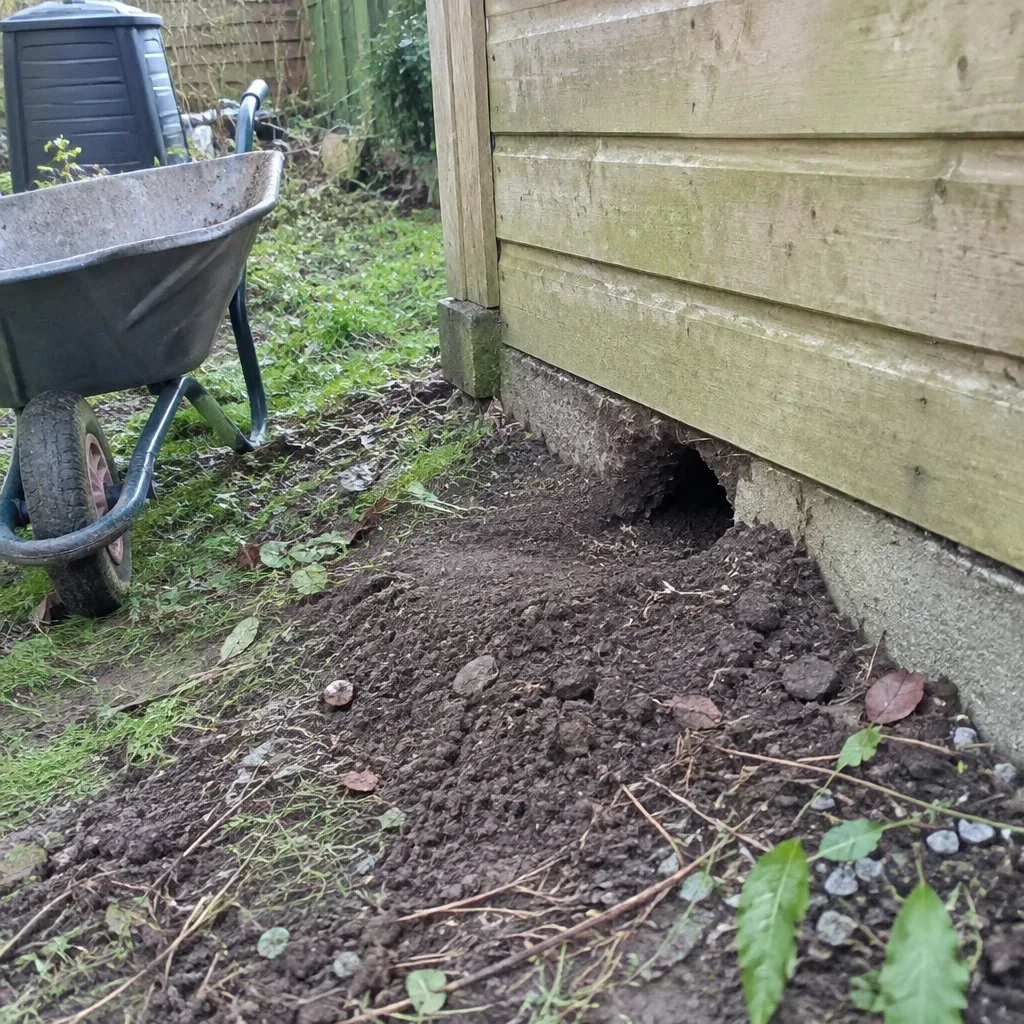
Rat control options shaped by home routines, activity areas, and treatment precautions
View Rat Control help in Dearborn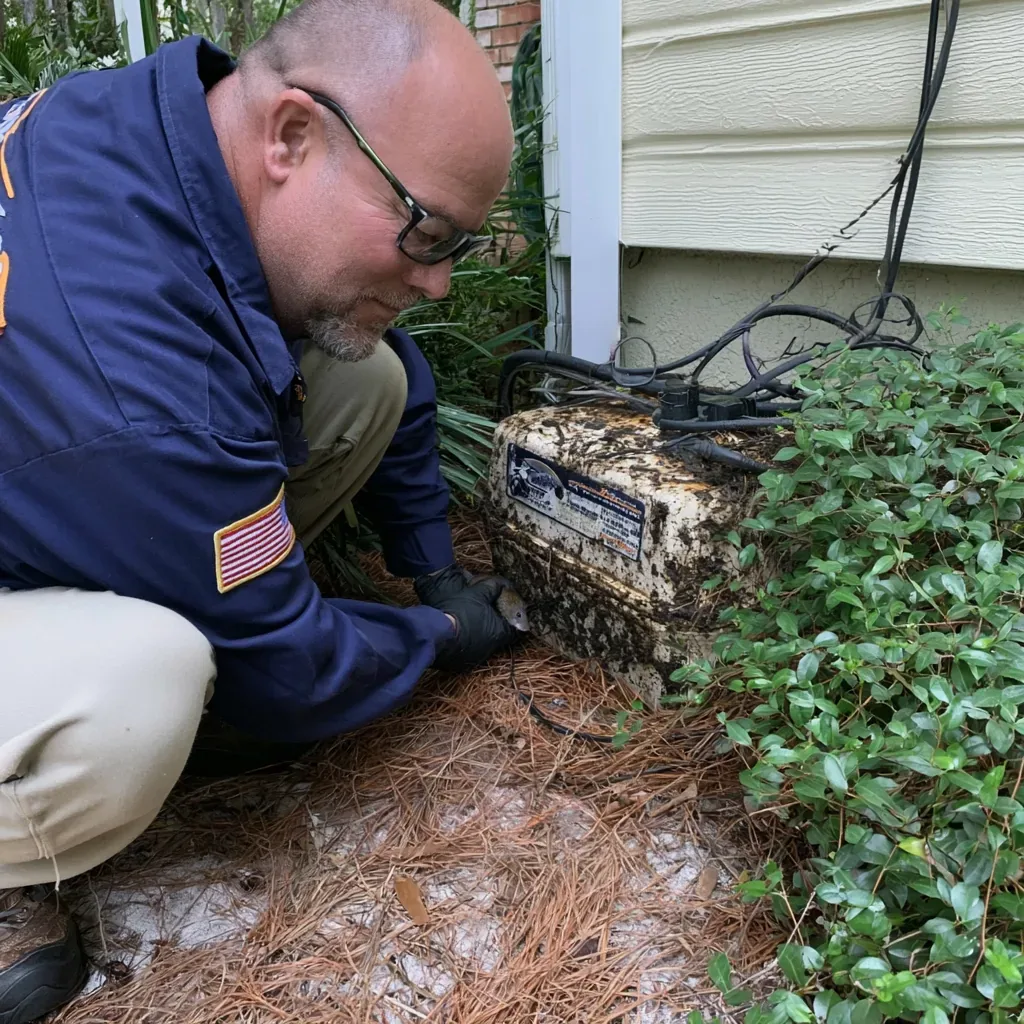
Mouse control estimates depend on signs, access, home layout, and selected service steps.
View Mouse Control help in Dearborn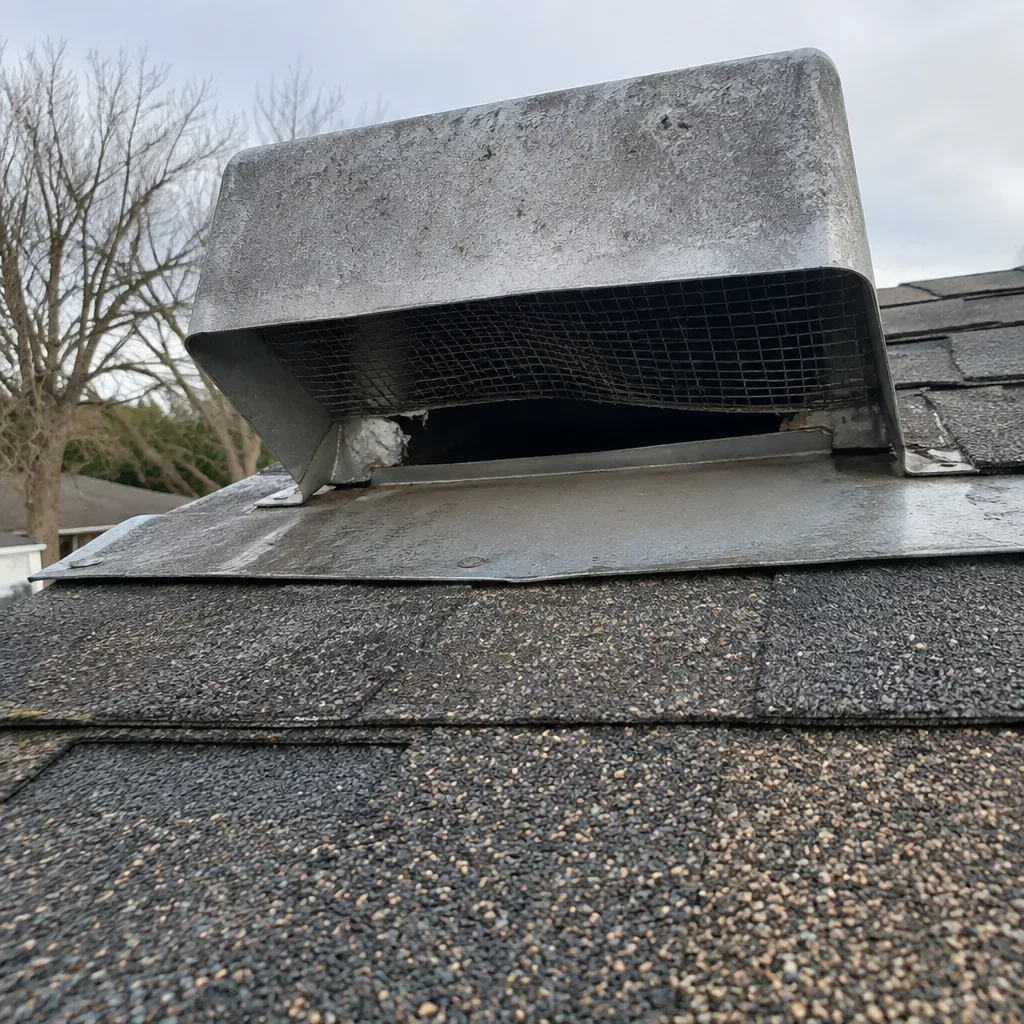
Dearborn trap plans follow rodent signs, from Ford Field Park to Ford Woods Park.
View Rodent Trapping help in DearbornCost for an Allen Park home can vary with the affected areas, inspection access, and recommended work. When requesting a connection with an independent local pro, describe what was noticed, where it occurred, and when. Say whether the property is a ranch, split-level, or another layout. Mention any gaps around doors, utility lines, or vents that may help the licensed pros we connect you with assess access.
Cost in Allen Park may depend on whether the service plan includes follow-up visits. ZIP code 48101 is verified for residential delivery and buyer coverage, but an address check is still useful when asking about service. Give the full address and ask what the first inspection covers. A plan should explain when the pros we connect you with will review activity again and what findings could lead to an adjustment. Ask what household steps can reduce access to food and waste.
Droppings, gnawing, or noises behind walls can point to rodent activity. Note the room, approximate location, and whether signs recur. Keep food sealed and clear away accessible crumbs while awaiting an inspection. If cleaning droppings, avoid stirring dust; contaminated material can carry germs. Avoid disturbing the area further before the inspection.
Living near Brand Park, Church-Teller Park, or Community Park does not establish activity inside a home. These parks can help describe an address when requesting service, but decisions should follow evidence from the property itself. Report what the owner has seen or heard indoors, and mention any affected storage or food areas. The inspection findings, rather than distance from a park, guide recommendations.
Before an Allen Park inspection, seal pantry and pet food in containers, sweep loose crumbs, and keep household trash covered. First note any torn packages, droppings, or rooms where food was disturbed; do not erase useful signs while preparing. When seeking a connection with the pros we connect you with, report those signs, affected areas, and whether the property is a ranch or split-level. Brand Park, Church-Teller Park, or Reeck Drain can serve as nearby location references. Food control helps limit access but does not locate entry gaps.
Fresh droppings or gnaw marks can indicate rodent activity even when none are visible. The pros we connect you with discuss openings and timing by phone. Urgency means a present hazard that leaves no safe way to separate people from rodent activity. Keep children and pets clear of signs and control devices. When the concern is contained, daytime service generally costs less.
When checking a nearby area for a Dearborn property, start with its full address rather than relying on a postal place name. A location description can mention a known point such as Ford Woods Park, but the address is what the pros we connect you with need to assess coverage. If service is available, ask what information they need before a visit, what the inspection includes, and which treatment steps could be considered. Find out whether follow-up checks are offered and how they would be arranged.
Call (313) 944-5570