
Rodent Types
Rat and Mouse Control for Dearborn Homes
$80–$175 is a starting point; the full cost depends on findings and the work selected. In Dearborn, a homeowner may first hear scratching or find a damaged food package. Those clues call for a closer look, not an assumption about the whole house. The pros we connect you with may inspect rooms and check seams around doors, pipes, or the foundation for signs and possible access. They may offer trapping or baiting to address activity. A ranch near Coogan Terrace still needs its own assessment; nearby Community Park says nothing about conditions inside.
RETURN CHECKS
The inspection price is $80–$175; next steps depend on activity found, possible entry gaps, and household or business needs. This Dearborn hub covers rats and mice inside buildings; the wildlife hub addresses other animal concerns. Droppings, gnawing, or scratching sounds can prompt a closer look at travel areas and openings. Based on site conditions, the pros we connect you with may outline traps or bait, gap sealing, and follow-up checks. Rodents can damage stored goods and leave contamination where they feed or nest.
Traps or bait may reduce activity, while sealing an opening can make entry harder; one measure does not do both jobs. Inspection findings help determine which steps fit the property. Droppings, gnaw marks, or repeated sounds can point to areas that need attention. The owner can ask if later monitoring is offered and when it would happen. Those checks can help show whether the plan needs a change. Providers differ in methods and scope, so compare what each includes.

Rodent Help Questions
Rodent Control Basics
What should a Dearborn rodent inspection cover?
Cost depends on the property and proposed work; an inspection helps define that scope. In Dearborn, the pros we connect you with can review where signs appear, such as a basement, attic, or utility area, and look for possible access gaps. A ranch and a split-level can raise different inspection questions, whether near Ford Field Park or Greenfield Village. Findings guide a discussion of trapping, baiting, sealing, or monitoring. Providers vary in what they offer.
When might rodent control involve traps or bait?
Trapping or baiting may enter the plan when inspection findings point to rodent use in an area suited to device placement. Nearby food sources can influence where rodents travel and where signs appear. In Dearborn, the pros we connect you with should explain placement and monitoring, including precautions around children and pets. A home's layout near Youth Center Park does not by itself determine which option fits. Available methods can differ between providers.
Can sealing be part of a plan when rodents are already inside?
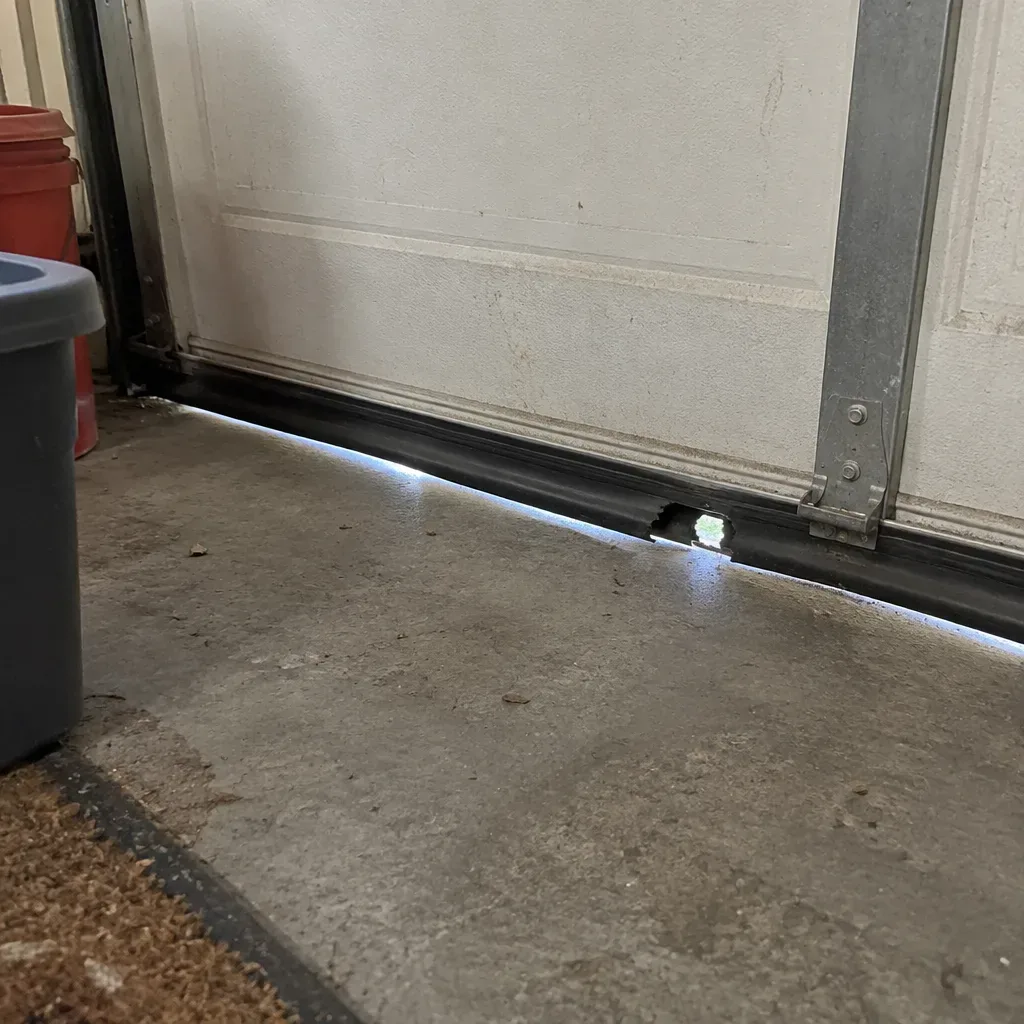
Yes. Devices may address rodents already inside, while exclusion work deals with routes into the structure. An inspection can connect proposed sealing to observed access points, including gaps near pipes or a foundation. The pros we connect you with can explain whether those measures suit the property and how they fit together. In Dearborn, a location beside Ecorse Creek does not establish a home's needs; the building's findings guide the plan.
How can follow-up visits show whether rodent control is working?
After service begins, planned reviews can look for fresh signs and assess whether devices remain useful or the approach needs revision. Timing follows the provider's service plan and may vary by property. The owner can ask what each visit will examine and how the findings will be shared. In Dearborn, a home near Memorial Park still needs a schedule based on its inspection and selected approach. Follow-up is part of some plans, depending on the provider.
Rodent Service
Review Rodent Concerns Inside the Home
A Dearborn home and a small business may have different schedules, storage areas, and access patterns. Explain how the property is used and which rooms or work areas showed signs. A sound near a ceiling differs from droppings beside a storage wall, so precise details can help shape the inspection. Ask whether trapping or baiting might be considered, how any devices would be monitored, and whether sealing work or follow-up checks could be included. The findings should guide the proposed steps.
Call (313) 944-5570