A Sighting Is Not a Headcount
One mouse does not establish a mouse infestation, and it cannot show how many may be out of sight. It may have entered alone, or other activity may be hidden behind stored items or inside a wall. In Dearborn, a ranch and a split-level can have different places where movement goes unseen. A glimpse near Ford Field Park says where that mouse appeared, but not where it came in. The number of visible mice is only one clue; other signs and their locations give a fuller picture.
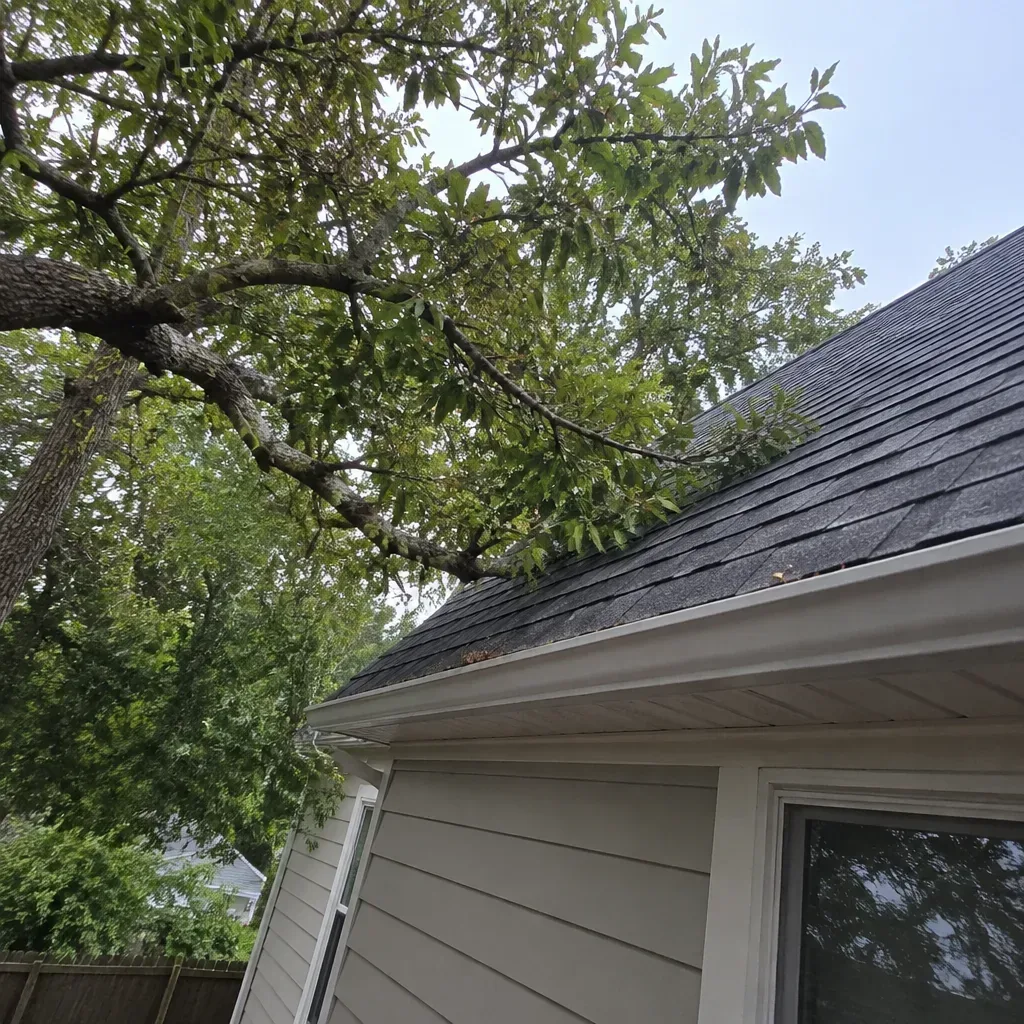
A mouse can pass through a small opening near a pipe or utility line. That route may be far from the room where the animal appeared. In Dearborn, a sighting by the kitchen does not identify the access point; a gap beside a foundation or service line could lead indoors elsewhere. Finding a possible route helps explain how activity began, but it does not prove that more mice are present. The opening and any nearby evidence matter more than guessing from one brief view.
Clues Beyond the Mouse
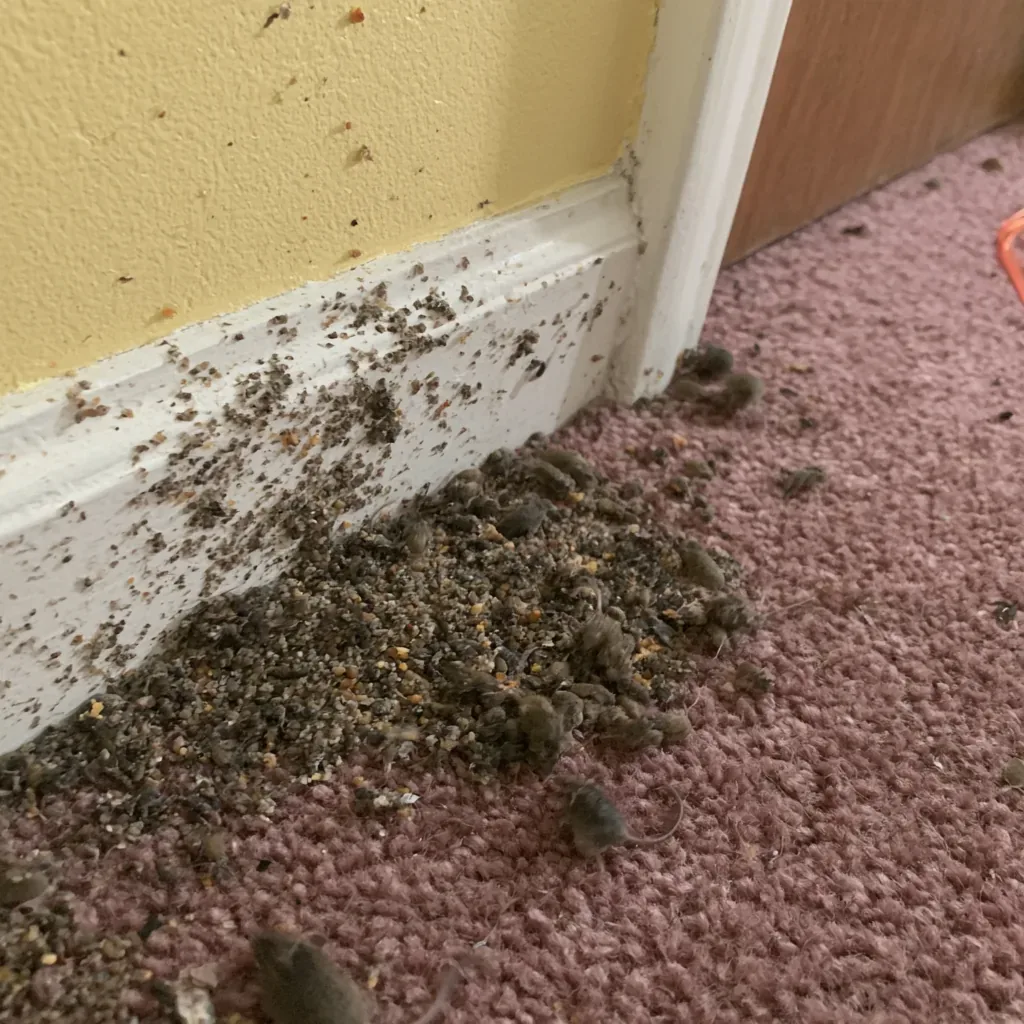
Droppings and gnaw marks add evidence beyond a glimpse. A homeowner might spot them beside pantry goods, under a sink, or along a baseboard. Those clues can indicate rodent activity, though they do not provide a headcount by themselves. In Dearborn, rooms near Greenfield Village are not known to have a particular mouse level; each home's signs need to be judged on their own. Look for damage to packaging and small dark droppings in places where food or stored items sit.
One mouse does not show how many may be inside a Dearborn home. A mouse can pass through a room without revealing where else it travels. A homeowner near Ford Woods Park or Greenfield Village can note which rooms have sightings and whether activity appears in separate areas. Repeated signs across rooms make a single encounter less likely to be the whole picture. Droppings, gnaw marks, or nesting material can offer clues beyond a brief sighting. An inspection can also look for openings that may let mice enter or move through the home.
Food and Shelter Affect Activity
Accessible food can keep mice returning to a room. Open cereal, pet food, crumbs, and pantry goods left in thin packaging are easy sources to check. Sealed containers and cleared food debris reduce what is available indoors. They do not show whether other mice are present, and they cannot close an entry gap. For a Dearborn homeowner, the practical question is whether food is reachable overnight or near a place where signs appeared. Changing that access can make a room less useful to rodents while other evidence is considered.
Shelter can be available even when food is put away. Stacked boxes, paper piles, and rarely opened cabinets offer quiet cover and can hide fresh clues. Moving stored items off the floor and leaving space to see along walls makes signs easier to notice. Homes near the Rouge River vary by layout, so no single storage area applies to every Dearborn property. The aim is to reduce undisturbed hiding places and improve visibility. This can clarify whether a concern is limited to one corner or spans several parts of the home.
When to Seek an Assessment
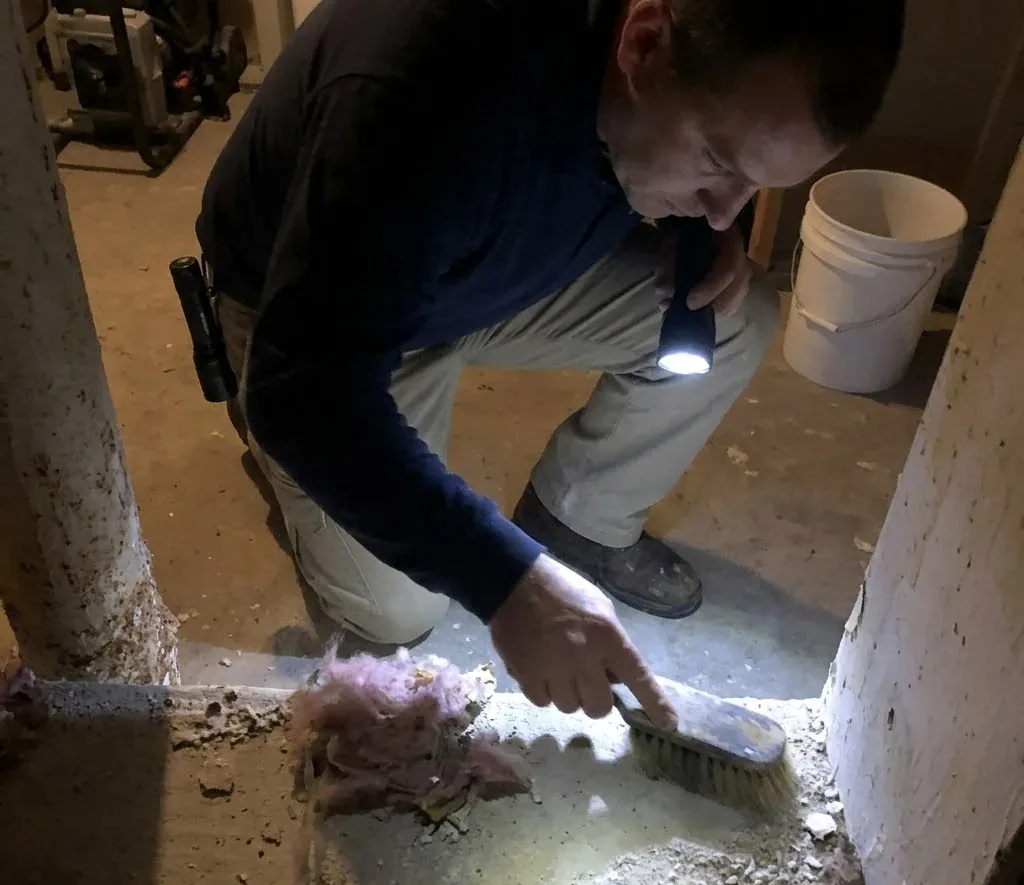
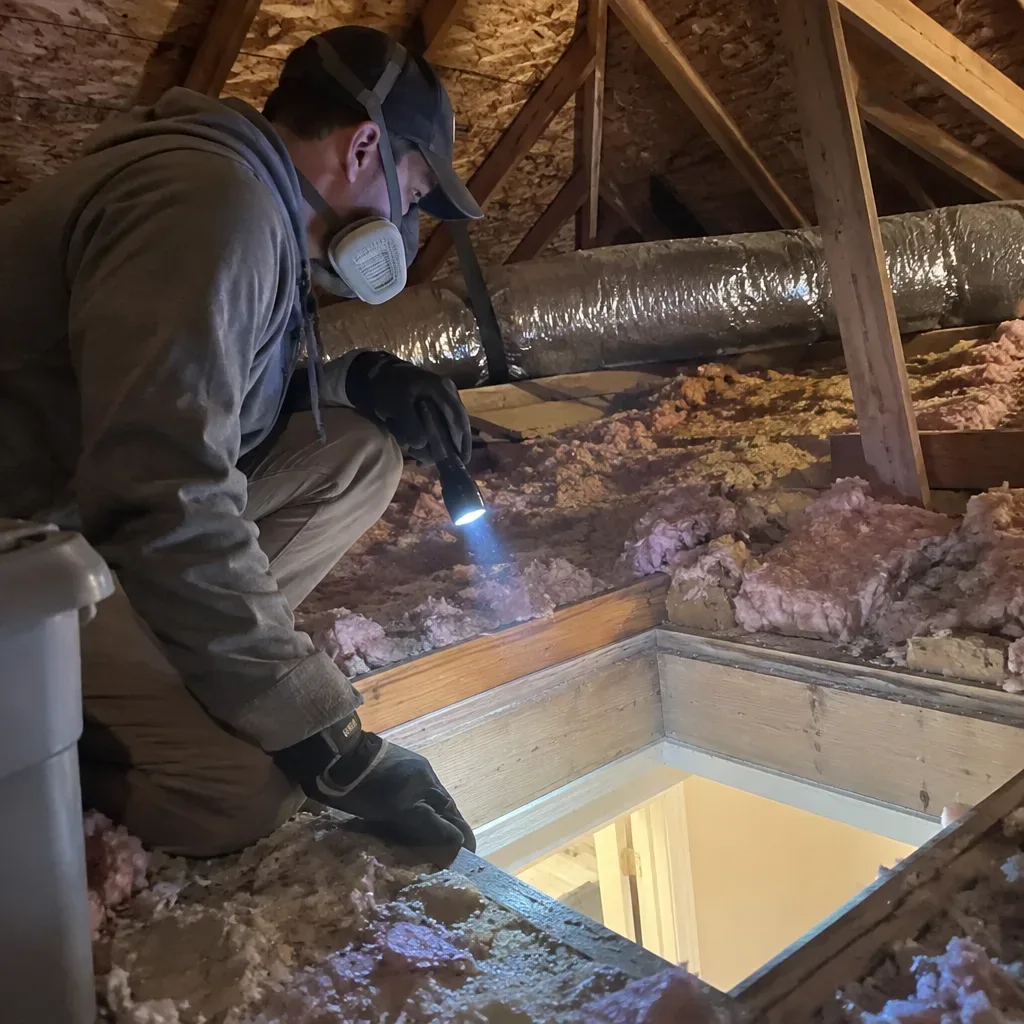
An inspection may be useful when activity continues or evidence turns up in separate parts of a home. Fresh droppings, repeated sounds, or new gnawing alongside a sighting give more context than the glimpse alone. The scope of work and the areas needing attention can affect what a service plan involves and its cost. A Dearborn homeowner does not need to wait for a larger visible count before asking for an assessment. Evidence in multiple locations is a sensible reason to get the situation reviewed.
The pros we connect you with can assess whether the signs fit active rodent movement and recommend steps suited to the property. Depending on findings, control can include traps or baiting, sealing access points, and guidance on prevention. Follow-up checks can help determine whether activity continues; timing depends on the service plan. A home near Ford Woods Park has no established risk level based on that location alone. The useful next question is whether the home's own evidence supports action and which measures fit those findings.
Dealing with rodent activity in your home?
Inspection cost depends on what the owner needs assessed and the visit details; $80–$175 shows the current inspection band. In Dearborn, a homeowner may notice a sharp odor, small droppings, gnawed packaging, or movement sounds before knowing whether rats or mice are involved. Teller Park, Reeck Drain, and Brand Park are local reference points, not clues to activity at any address. The pros we connect you with can explain what an inspection includes, whether service reaches the property, available timing, and any visit charge. Ask before booking; findings may guide next steps.