Recognize Signs in a Dearborn Basement
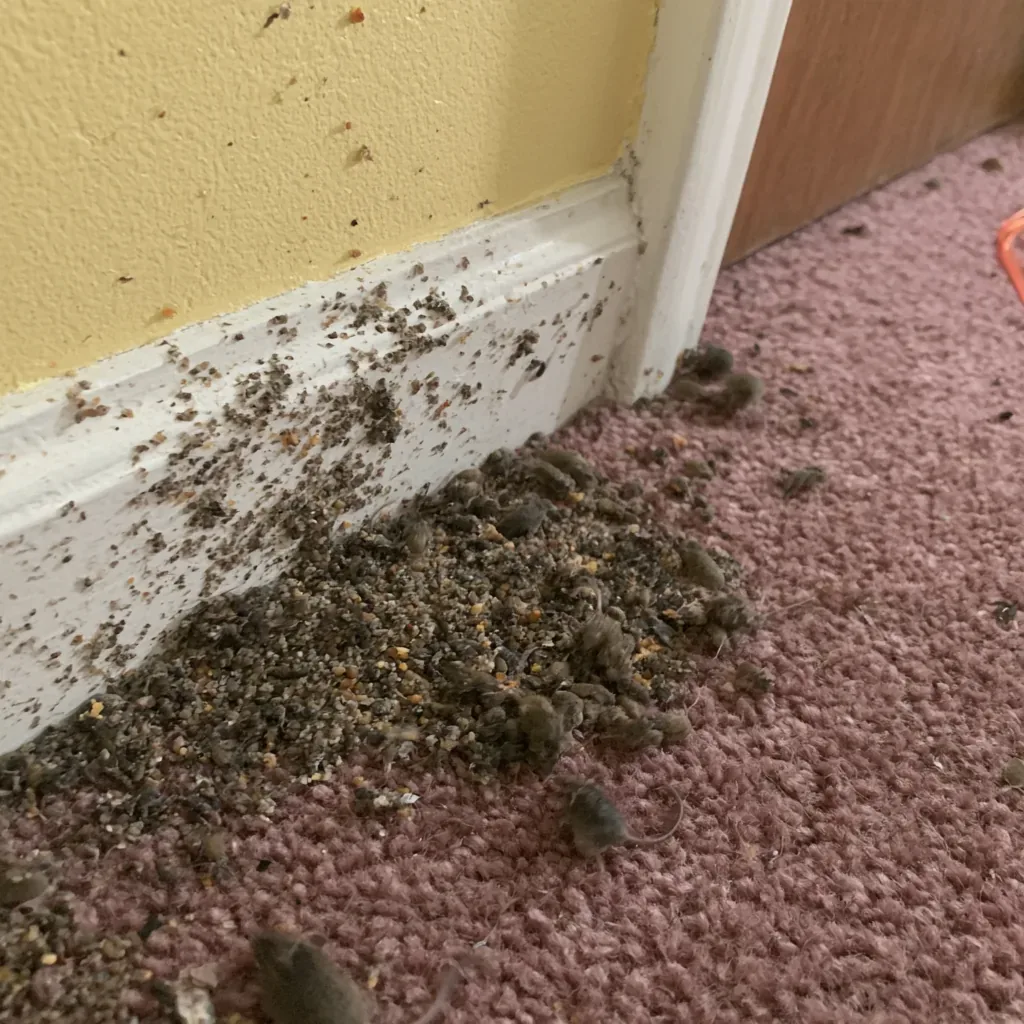
Service cost in Dearborn can depend on how much of a basement needs attention and whether access gaps need sealing. During cold winter weather, a homeowner may spend more time noticing basement signs, but the season alone cannot confirm rodent activity. Look for dark pellets, chewed edges on stored items, or shredded scraps gathered in a sheltered corner. Those clues can suggest rats or mice. Keep the area undisturbed and note where each sign appears before deciding what to do next.
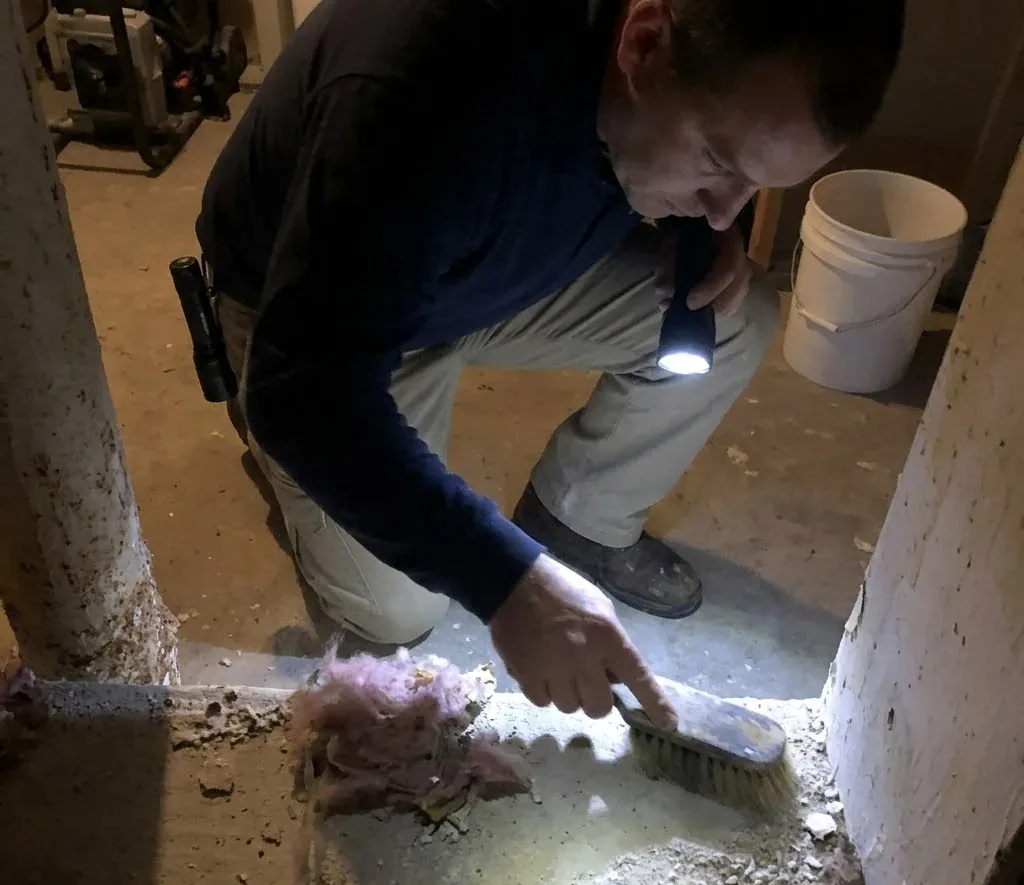
A single clue can be hard to interpret, while several signs in one part of a Dearborn basement may give an inspector more context. Pellets beneath a shelf, tooth marks on a nearby carton, or fibers tucked behind storage can point to a route. Basement rodents may leave different evidence as they move through a room. Mark the locations from a safe distance, and note whether signs return later. Do not assume one mouse sighting establishes the full extent of activity.
Keep People Away From Suspected Waste
Keep children and pets away from the affected part of a Dearborn basement. Note what you saw so you can describe the signs when discussing next steps. Close off access to the area if that can be done without approaching the signs. Do not sweep, vacuum, or handle the material as part of this first response. If a provider later places traps or bait, ask how household members should avoid those devices and follow product directions.
A brief written record can help the owner explain what has changed without disturbing the basement. Note the room side, nearby storage, and whether signs appear new or weathered. A photo taken from a clear position may also preserve the layout for an assessment. In Dearborn, a ranch basement and a split-level lower floor can offer different sight lines, so identify the exact area rather than describing it only as the basement. Keep people and pets out while signs remain.
Reduce Food Access and Hidden Routes
Accessible food can sustain rodent activity, while crowded storage can conceal where signs begin. In a Dearborn basement, check from a clear position for open pet food, birdseed, crumbs, or torn packaging. Once the area is safe to approach, move food into sturdy containers with secure lids and remove loose food sources. Leave suspicious waste alone. Reducing food access supports control, but it cannot close an opening through which mice or rats may enter.
Basement conditions differ from one Dearborn home to another, including homes near Parkland Park, Central Park, and Church-Teller Park. A packed corner can hide the floor edge or a pipe opening, making the suspected route harder to see. Note which areas are blocked from view. Clear ordinary storage only after avoiding suspicious material, and do not reach blindly behind boxes. A professional assessment can account for concealed spaces without treating a familiar local setting as proof of rodent activity.
Assess Openings and Control Options
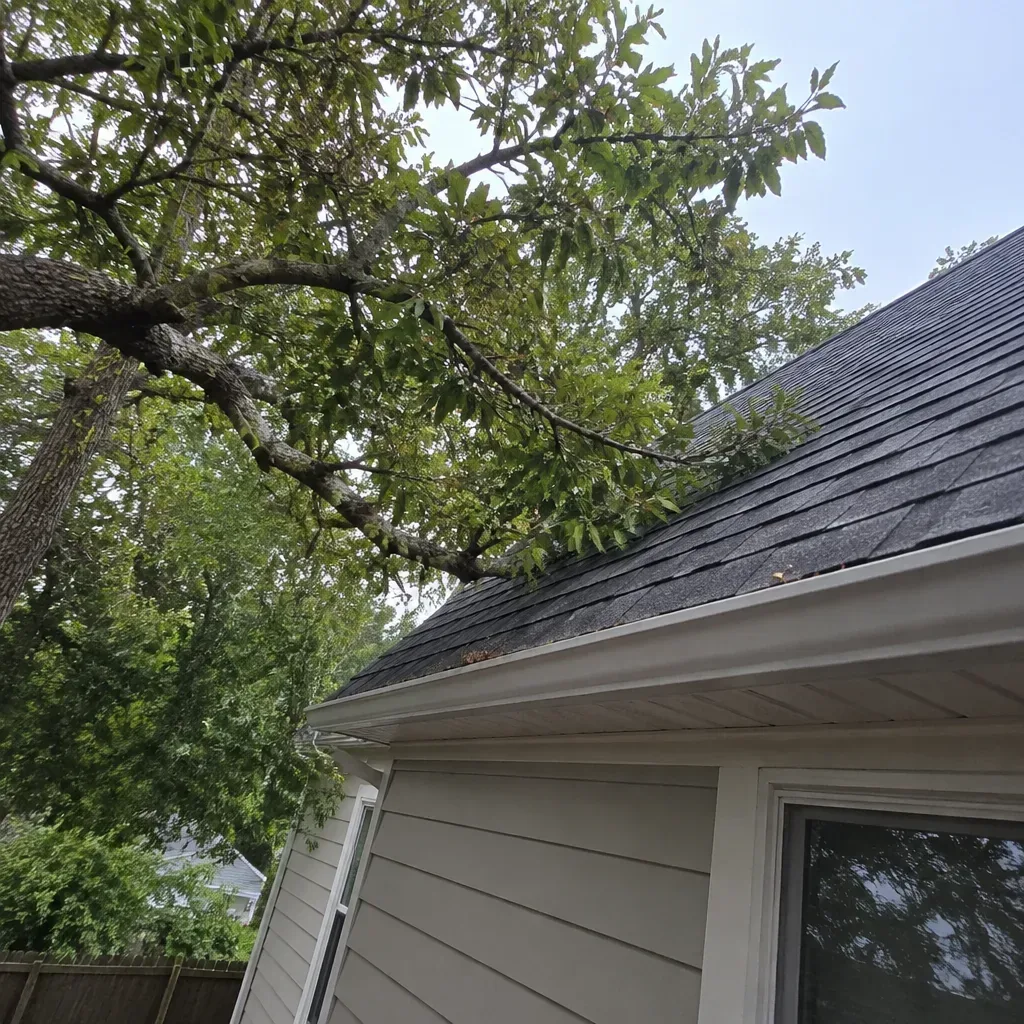
A visible gap near a pipe, utility line, door, or foundation may offer access into a Dearborn basement. Mice can pass through narrow openings, and rats can use larger ones. From a safe position, record where a gap appears and whether signs sit nearby. Avoid sealing it before an assessment if activity may still be inside. The pros we connect you with can use the evidence to decide whether exclusion, trapping, baiting, or a combination fits the property.
Stored belongings can make some basement areas harder to check. Before Dearborn’s colder winter weather, check quiet corners for fresh droppings, gnawed items, or nesting scraps. These clues can guide an inspection but may not show the route. Gnawed items can show which belongings may have been reached. Note each location, including around pipes or foundation edges. Whether a home is near Rouge River, Coogan Terrace, or Canfield Community Center, consider requesting an inspection if signs persist.
Dealing with rodent activity in your home?
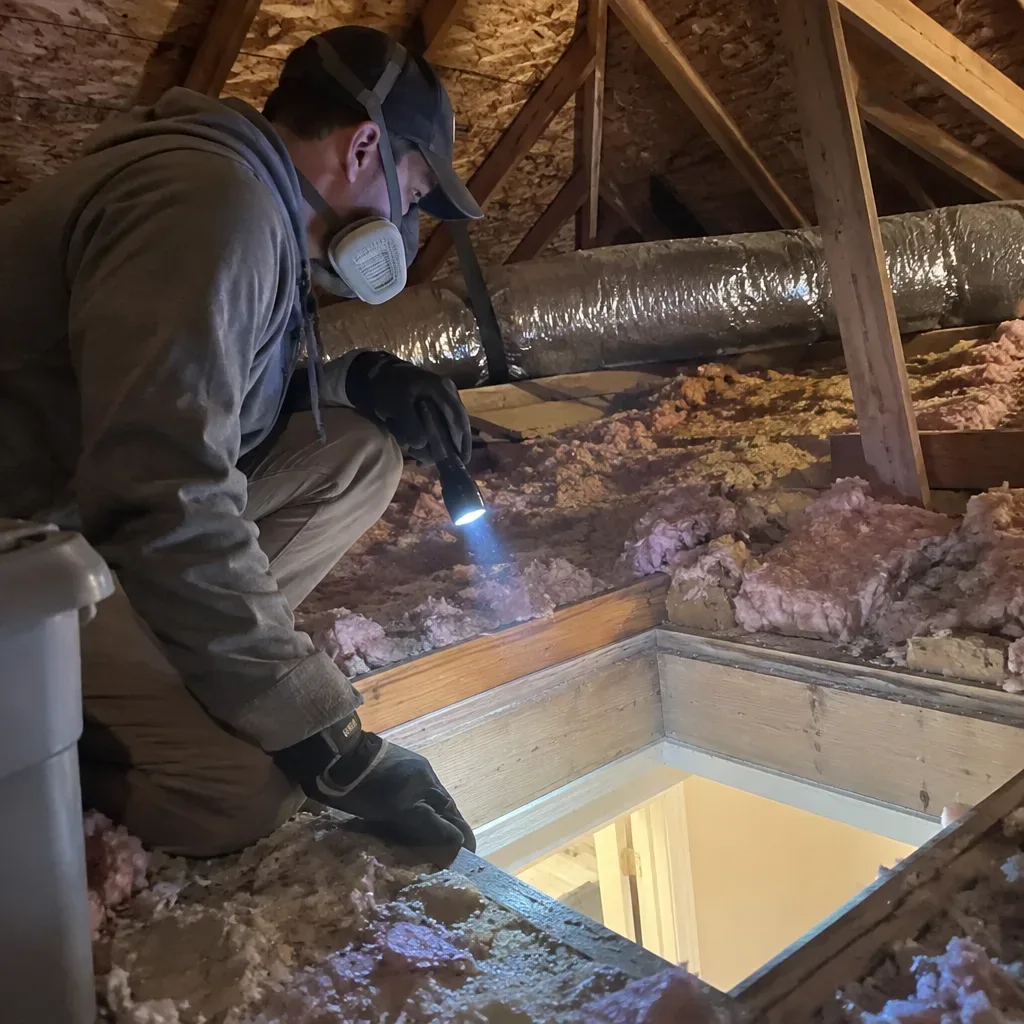
Inspection cost depends on what the owner needs assessed and the visit details; $80–$175 shows the current inspection band. In Dearborn, a homeowner may notice a sharp odor, small droppings, gnawed packaging, or movement sounds before knowing whether rats or mice are involved. Teller Park, Reeck Drain, and Brand Park are local reference points, not clues to activity at any address. The pros we connect you with can explain what an inspection includes, whether service reaches the property, available timing, and any visit charge. Ask before booking; findings may guide next steps.