Warehouse Rodent Control
Dearborn Warehouses
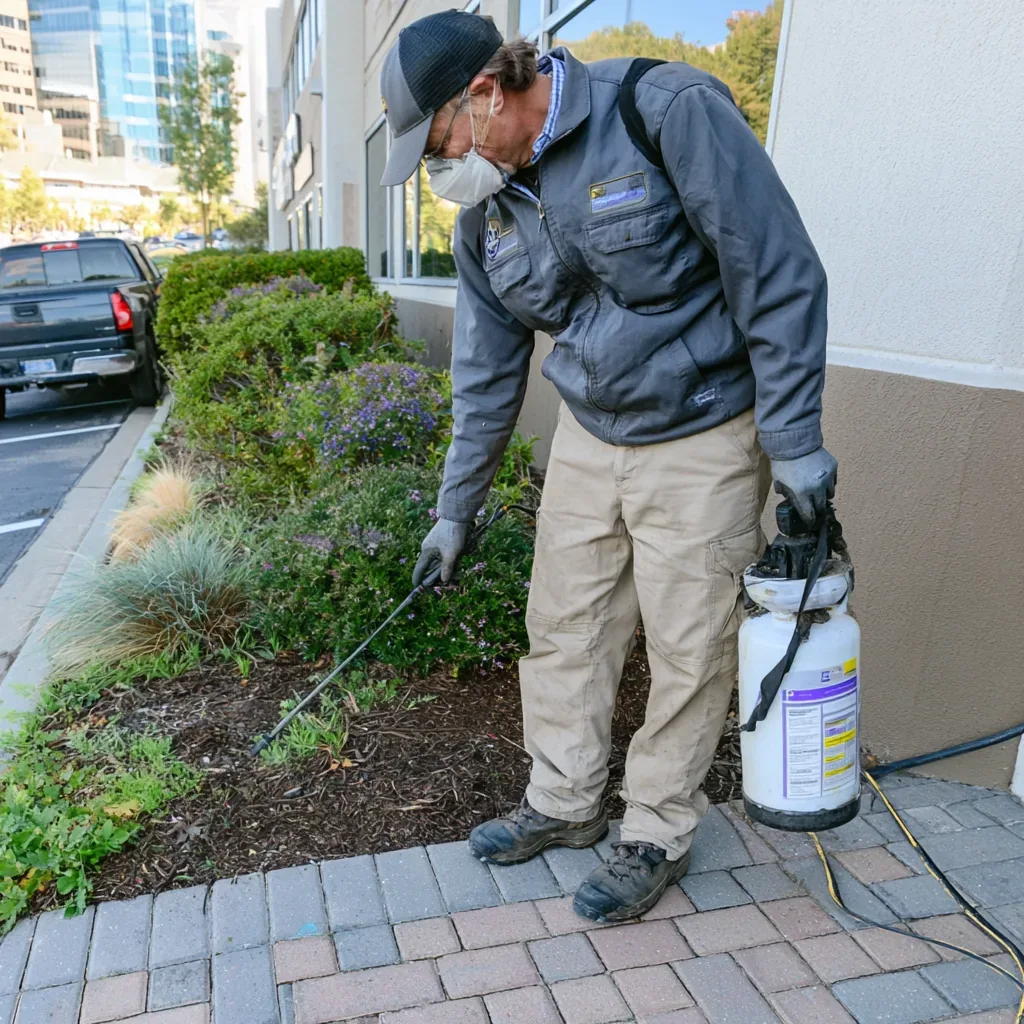
Coordinate office rodent control around staff reports, room access, and the hours each Dearborn site needs to operate.
Offices can reduce disruption by collecting room-specific reports, arranging entry with the staff responsible for each area, and choosing a visit window around office use. Share operating limits with the provider and keep follow-up notes so staff can track what was addressed.
The cost of office rodent control depends on the areas involved, access needs, and follow-up requested. In Dearborn, a useful plan starts with the workday, not a standard appointment window. Staff may notice activity where routines bring food, deliveries, and people together. Those reports help identify which rooms need attention and when they can be reached. The pros we connect you with can discuss a service schedule around those constraints. Clear planning helps limit interruptions for employees and visitors while leaving room to address reported activity.
Food and supply areas have different routines from desks or meeting rooms. In Dearborn, note where food is handled or stored, how waste is managed, and which cabinets or stock areas staff use. Sealed food and prompt crumb cleanup can reduce accessible food sources, though they do not close entry gaps. These details help relate a report to conditions in that part of the office. A shared note can also help staff keep the area consistent between a visit and any later review.
Visitor traffic can make some rooms harder to reach during business hours. A Dearborn office can mark reception periods, booked rooms, and shared spaces where work would interrupt meetings. Include the times when quieter access is possible and any areas that must stay available. This gives the service provider a practical window to discuss before scheduling. If activity is reported in a public-facing room, identify it clearly so the plan can account for access without treating the whole office as equally busy.
A useful employee report describes an observation rather than guessing at its cause. In Dearborn, ask staff to note the room, nearby feature, and time they noticed droppings, gnaw marks, or sounds. A photo may help document a location when workplace policy permits it. Keep the report brief and pass it to a designated contact. Distinct observations can help the pros we connect you with understand where activity has been reported and compare later updates without asking employees to investigate further.
Access can depend on who controls a particular room, not simply on the office schedule. For a Dearborn site, identify the person who can open locked spaces or arrange an escort. Note equipment, stored supplies, or other limits that could affect entry. Share those details when arranging an assessment so the visit can cover the intended areas. If access changes on certain days, record that too. A clear contact path reduces delays and avoids pulling staff away from their work to locate keys or permissions.
| Reported area | Visit window | Observed signs |
|---|---|---|
| Affected area | Room or shared space with reported activity | Focus the assessment on the right location |
| Room function | Food, storage, utility, or desk use | Flag uses that shape access or timing |
| Report channel | How staff can pass along new observations | Route updates to the office contact |
| Access contact | Person available to unlock necessary rooms | Arrange entry before the visit |
| Work hours | Periods with meetings, visitors, or limited access | Offer workable windows around office activity |
| Location cue | Dearborn office; nearby Community Park or Teller Park, if useful | Use a landmark only to clarify directions |
| Visit note | Rooms checked and changes since prior review | Help the next visit focus on current conditions |
| Follow-up owner | Outstanding office task and responsible contact | Keep the next step clear between visits |
Food handling calls for a plan that fits the actual task. A Dearborn office with a food preparation area should describe its use, cleaning routine, and any periods when the space cannot be interrupted. Offices that only store snacks may have different needs. Share the distinction before service so the schedule and access discussion reflect the room’s purpose. Keep food closed and crumbs cleared as routine housekeeping. These steps reduce available food but do not replace attention to reported rodent activity or possible openings.
Utility and storage rooms may be managed by building staff rather than office employees. In Dearborn, find out who can arrange access and whether stored materials limit a clear route through the space. Note rooms containing pipes or other building services where staff have reported activity. Gaps around service lines can provide possible entry routes for rodents, so the pros we connect you with may discuss those areas during an assessment. Sharing access details ahead of time helps avoid a missed room or an unplanned disruption.
Operating hours shape which service window will cause the least interruption. A Dearborn office can identify arrival periods, recurring meetings, visitor peaks, and rooms in continuous use. The best time may differ by department or day, so avoid treating one schedule as universal. Tell the contact arranging service which activities cannot move and which spaces have more flexible access. That information supports a workable appointment discussion. If a room’s use changes, update the schedule before the next visit rather than relying on an old plan.
Employees need a simple way to report new signs without interrupting several managers. In Dearborn, name a facilities contact or internal channel and explain what details belong in a report. Ask staff to identify the room and observation, then leave assessment to the service professional. This keeps information moving while limiting repeated questions across teams. A consistent route also makes it easier to connect reports from different work areas. Choose a method employees can use during normal work, including when the usual contact is away.
A short notice can prepare only the people affected by a visit. For a Dearborn office, say which rooms may need access, the expected service window, and who will coordinate entry. Tell reception or meeting organizers if their area could be involved. Avoid sending broad notices that leave employees unsure whether they need to change plans. If timing shifts, the access contact can update those directly affected. This keeps communication useful and helps people plan around the work without creating unnecessary office-wide disruption.
A site record should show how the response developed over time. In Dearborn, keep reports, agreed actions, access limits, and service notes together for that office. Record the rooms discussed and any recommendations the provider gave. If the site is near Ford Field Park, a nearby landmark can help staff distinguish it from another office when identifying the location. The record should focus on the office itself, since nearby context does not establish what is happening inside. Clear notes help the next contact understand prior decisions.
After a visit, ask staff to report whether they have noticed further signs in the areas discussed. In Dearborn, add those updates to the same site history and note which spaces were revisited. The pros we connect you with can explain whether another review fits the service plan. Follow-up timing depends on that plan and the findings, so avoid assuming every office needs the same interval. Keeping later observations beside earlier actions helps the business decide what information to share at the next contact.
Organizations with several offices need local access details alongside central oversight. In Dearborn, assign someone who knows the site schedule and can arrange entry, while a central contact keeps the overall process organized. Label each record by address or another reliable site identifier. A business with locations near Ford Motor Company or Greenfield Village can use those landmarks when they help staff tell sites apart. Keep reports and service notes tied to the correct office so activity at one location does not shape assumptions about another.
Before requesting an assessment, gather the reported areas, the contact who can arrange entry, and scheduling limits. For a Dearborn office, include relevant food, storage, and utility spaces, plus any rooms where access requires coordination. The pros we connect you with can use those details to discuss the assessment and a service window. If the office is identified by a landmark such as the Rouge River, include the full site address as well. Ask what information they need next and how later observations should reach them.
A mouse sighting, a sound after hours, or damaged packaging can leave staff unsure what to report and when. Office rodent control works better when reports, room access, and operating needs are considered together. In Dearborn, an office near Greenfield Village may have different visitor patterns from one near Ford Woods Park. The useful starting point is to record where activity appeared and who can open each area. That gives an assessment a clearer scope. Scheduling and follow-up records then help staff see what was addressed and what still needs attention.
Homeowners checking service coverage can compare the linked communities across Wayne and ask which areas discuss residential rodent inspection or control, includingDearborn Heights, Melvindale and Allen Park. For an address near a service boundary, ask how its location affects travel charges.
Restaurant quotes often follow scheduled service visits. Kitchen, storage, and other included areas can change the scope, as can visit frequency. $80–$175 provides a guide figure. Ask whether the estimate includes inspection, traps or bait, sealing openings, and checks on devices afterward.At a Dearborn business, the number of rooms and separate activity zones can change how many devices, checks, and labor hours the plan needs, shifting the quote. When calling the pros we connect you with, mention operating hours, signs seen, and rooms where activity was found.Find the full range of rodent-control bands in pricing guide; commercial overview outlines how scheduled commercial service is organized.
Dearborn Warehouses
Dearborn • Ford Field Park
Dearborn Restaurant Service
Record the date, room, and what the employee noticed, such as a sound, droppings, or damaged packaging. Keep the report factual and send it through one agreed channel. A facilities contact can group reports by office area and pass relevant details to the provider. In Dearborn, a site reference such as the Performing Arts Center can help distinguish locations in internal notes, alongside the office address.
A visit may be scheduled for a quieter period when the provider and building access arrangements allow it. Share the hours when staff or visitors are present, and identify rooms that cannot be left unattended or taken out of use. The office contact can coordinate entry and let affected teams know what areas may be visited. The workable window depends on the building’s schedule and access needs.
Choose one internal contact or request channel and tell employees how to use it. Ask them to include the room, date, and what they observed. The contact can direct reports to the right facilities staff and avoid scattered messages. For offices in Dearborn, keep the site address with each report so activity at one location is not confused with another.
A rodent inspection cost can depend on the number and type of areas included, such as food, storage, or utility rooms. The time needed to arrange entry can also affect the work involved. For offices in Dearborn, explain the layout, access limits, and operating hours when requesting an assessment. The provider can describe the scope and cost based on those details.
Before requesting an office assessment in Dearborn, note reported rooms, access contacts, and operating limits that could shape the visit.
Call (313) 944-5570